
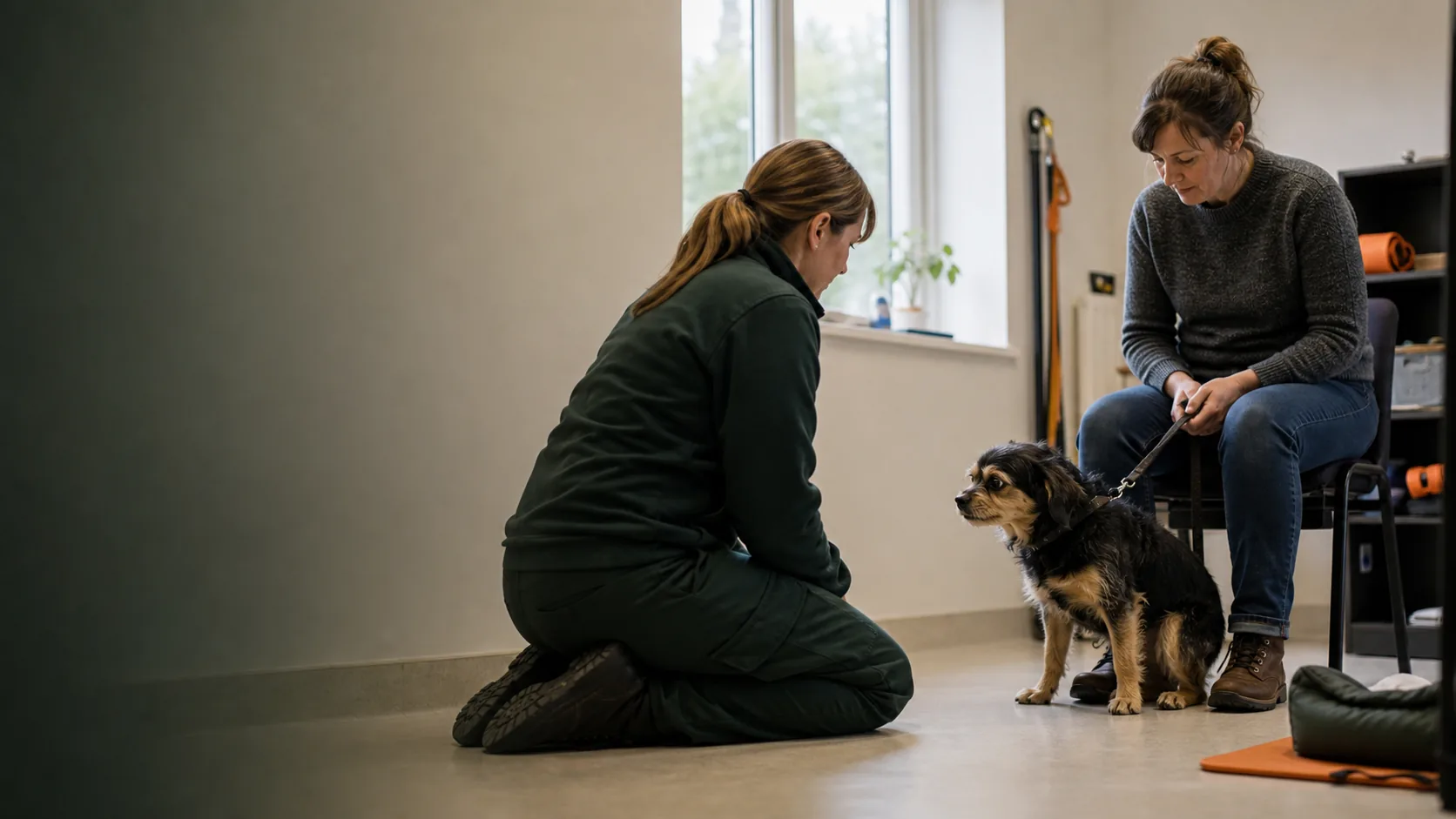
Canine UK Dog Welfare Division
Welfare in practice.Built around the whole dog.
A specialist Canine UK division bringing behaviour, health, environment, ownership and professional collaboration together to support better decisions and better welfare outcomes for dogs.
Work with the division
Find the right route.
Whether you are planning an event, arranging school education, responsible for dogs in a professional setting or concerned about your own dog, start with the route that best describes what you need.
Event organisers
Discuss welfare planning, on-site cover and a dedicated Dog Welfare HQ for festivals, fayres, shows and other dog-friendly events.
Schools & education
Arrange age-appropriate aggressive-dog awareness, bite-prevention education and practical safety learning for pupils or staff.
Rescues & professionals
Explore behavioural input, rehabilitation planning, professional liaison, education or a wider welfare collaboration.
Owners & the public
Tell us what is happening and we will help identify whether you need welfare guidance, a Behavioural Audit or another Canine UK service.
Contact the teamThe purpose
Better welfare starts with better decisions.
Understand the whole picture. Reduce avoidable risk. Improve the decisions that shape a dog’s life.
Dog welfare is shaped by far more than whether a dog is fed, housed and physically safe. Behaviour, emotional state, health, environment, learning history, handling, fulfilment and the decisions made by the people around them all matter.
The Canine UK Dog Welfare Division creates a dedicated home for work that sits across these areas: bringing together behavioural expertise, practical education and professional collaboration where a dog’s welfare, stability or future may depend on informed action.
This is not another label. It gives welfare-focused work a clear structure, a professional identity and a route through which Canine UK can contribute beyond conventional training services.
A division built around practical welfare.
Four foundations. Each area strengthens the others. The division connects individual dog welfare with the people, professionals and systems responsible for making decisions.
Behaviour-informed welfare
Using behavioural understanding to identify need, reduce risk and avoid decisions based on labels, assumptions or isolated incidents.
Education & prevention
Giving owners and professionals the knowledge to recognise concerns earlier, respond appropriately and prevent avoidable deterioration.
Professional collaboration
Working constructively with veterinary teams, local authorities, rescues and other professionals where a joined-up response is needed.
Responsible outcomes
Supporting realistic, accountable decisions around management, rehabilitation, rehoming and long-term quality of life.
Where we help
A wider remit. One clear standard.
The division provides a professional home for welfare-led activity across Canine UK, while creating room for services and partnerships to develop deliberately.
Dogs at risk
Behavioural insight and practical direction where aggression, anxiety, conflict or deterioration may place a dog’s safety, home or future at risk.
Rescue & rehoming support
Assessment, rehabilitation planning, placement considerations and professional input designed to support responsible, sustainable outcomes.
Professional liaison
Clear communication and collaborative working with veterinary professionals, local authorities, rescues and other relevant organisations.
Owner education
Practical welfare education helping owners understand behaviour, meet individual needs and make informed choices throughout a dog’s life.
First aid & preparedness
Accessible education that improves emergency awareness, supports responsible first response and strengthens canine health knowledge.
Standards & professional learning
Education, discussion and shared practice focused on raising the quality of welfare decisions across the wider canine sector.
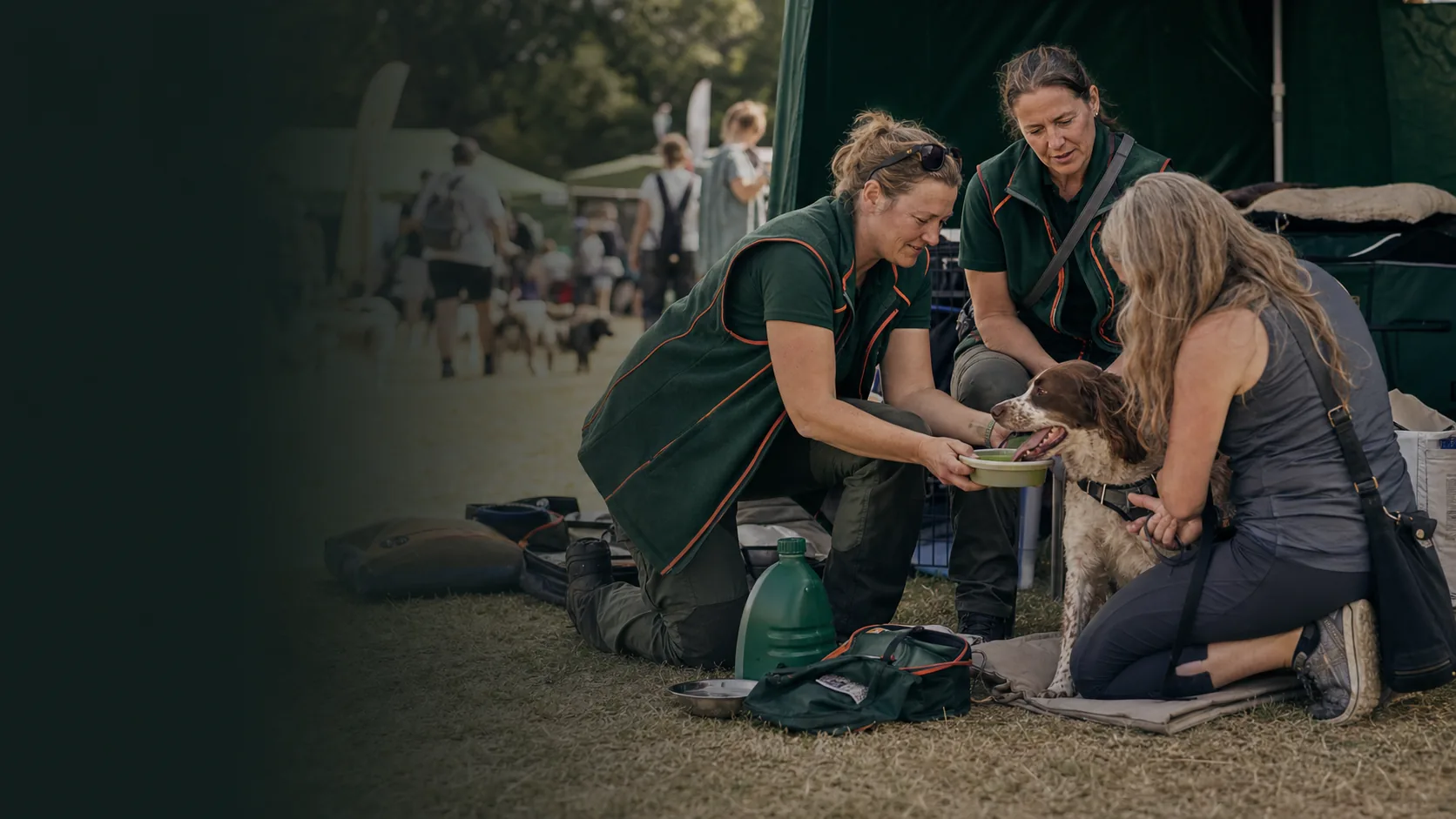
For dog-friendly events
Dog-friendly should mean dog-welfare ready.
Festivals, country shows, fayres, markets, breed meet-ups, sporting events and community days increasingly welcome dogs. But noise, heat, crowds, unfamiliar dogs, close contact and long days can create welfare and safety pressures that ordinary event planning does not fully cover.
Human first aid provision is expected. Dedicated canine welfare provision rarely is. Canine UK changes that.
A visible welfare team on the ground, supported by a dedicated event HQ.
Discuss event welfare coverFor event organisers
More than a first-aid box.
A genuinely dog-friendly event needs more than water bowls and a line in the terms and conditions. It needs experienced people who can recognise when a dog is overheating, overwhelmed, frightened, injured, becoming unsafe or simply needs space before a manageable concern becomes a crisis.
The Canine UK Dog Welfare Division provides a professional, visible and approachable welfare presence throughout the event. Our team works alongside organisers, human first aid, security, veterinary professionals and other event teams, giving everyone one clear route for dog-related welfare concerns.
For visitors, the welfare HQ is somewhere to ask for practical help without judgement. For organisers, it turns a statement about being dog friendly into credible welfare infrastructure.
Pre-event welfare planning
A practical review of venue, weather, footfall, dog access, rest areas, water provision, escalation routes and likely welfare pressure points.
Boots on the ground
Visible welfare professionals moving through the event, identifying concerns early and providing calm, practical support to owners and organisers.
Dog Welfare HQ
A clearly identified base offering water, cooling, quiet decompression, short-term welfare support, canine first aid and a route to onward care.
First response & escalation
Immediate support within the team’s competence, with clear escalation to an event veterinary provider or emergency veterinary care when required.
Owner guidance
Approachable advice around stress, heat, safe handling, interactions, equipment and when the kindest decision is to take a dog home.
Incident coordination
Clear liaison, proportionate incident recording and a joined-up response where dog welfare, public safety or responsible ownership concerns overlap.
Earlier intervention
Recognise pressure before it becomes distress, conflict or an emergency.
Stronger duty of care
Give visitors and event teams a credible, clearly signposted welfare route.
Greater confidence
Show that welcoming dogs is backed by practical planning and capable people.
Professional boundary: event welfare cover does not replace veterinary provision, emergency veterinary treatment, statutory services, human first aid or event security. It adds the dog-specific knowledge, practical first response and coordination that often sits between them.
For people learning
Education helps people make safer decisions.
Owners learn with their dog.
Owner education and practical application are central to our approach. Understanding the individual dog helps owners make informed decisions, apply training consistently and manage everyday situations with confidence.
Ask about owner educationFirst aid starts with preparedness.
Explore canine first aid for dog owners, professional first aid for people working with dogs, and puppy first aid, lifesaving and everyday care. Our courses combine emergency awareness with practical knowledge for the dogs you care for.
For schools & education settings
Understanding dogs.Keeping children safe.
Dogs are part of everyday life, whether at home, visiting friends, in public spaces or around schools. Teaching children how to recognise canine behaviour, understand boundaries and respond appropriately is an important part of preventing avoidable incidents.
The Canine UK schools programme provides practical, age-appropriate education to help children understand how dogs communicate, recognise signs of discomfort or escalating behaviour, and make safer decisions around both familiar and unfamiliar dogs.
Our approach focuses on awareness, prevention and responsible interactions, giving children knowledge they can confidently apply in everyday situations.
SAFETY FIRST
Sessions are delivered in a controlled educational environment, with children’s safety at the centre of the programme. Teaching focuses on recognising canine behaviour, preventing unsafe interactions and understanding when to seek adult assistance.
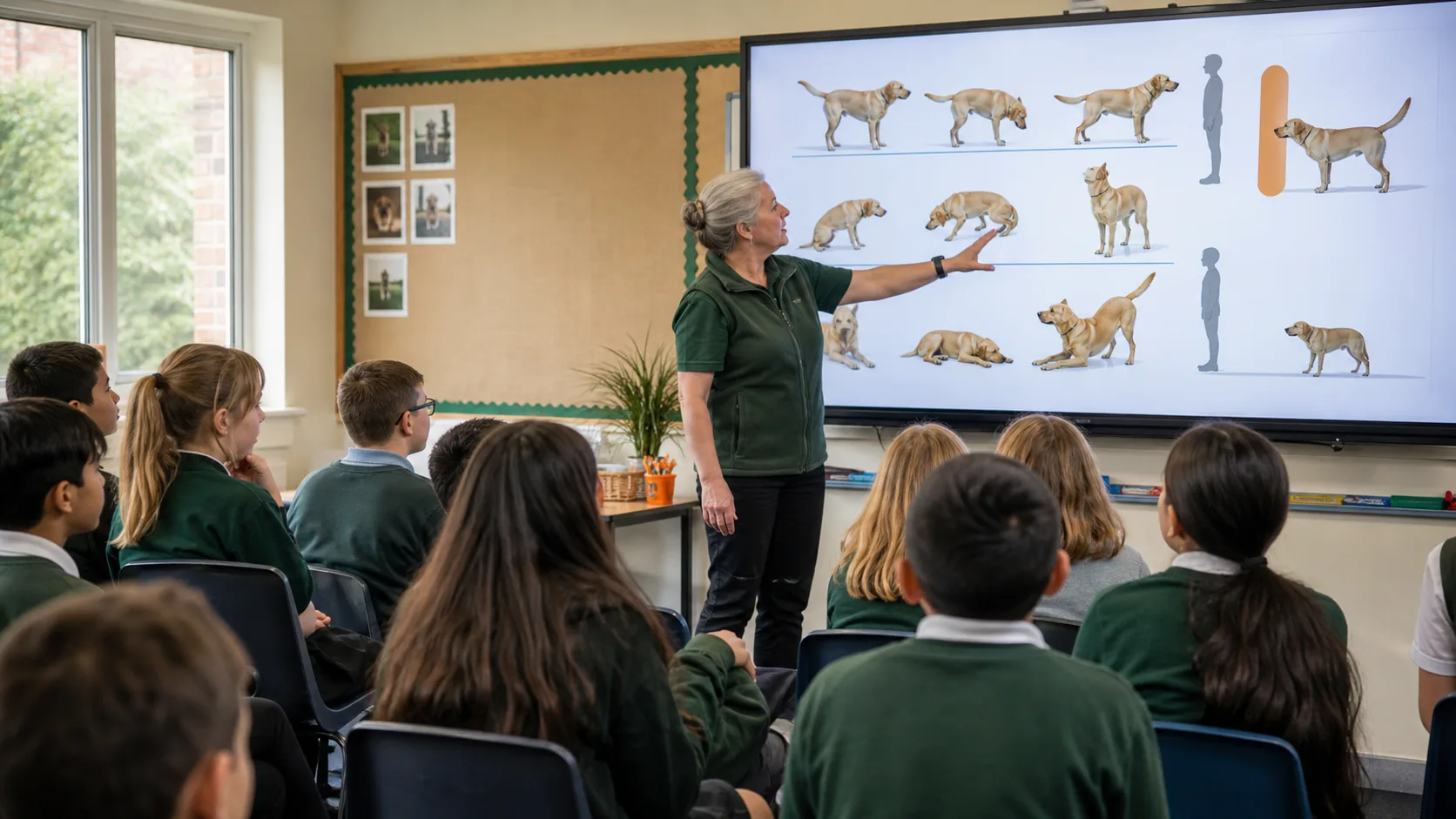
Reading the dog
Understanding common signs of comfort, uncertainty, stress, fear, frustration and escalation before behaviour becomes more serious.
Space & permission
Learning when not to approach, why an owner’s permission matters and how sleep, food, toys, pain, confinement and puppies can change risk.
If a dog approaches
Memorable, age-appropriate actions for responding calmly to an unfamiliar, loose or over-excited dog and getting help from a responsible adult.
Everyday risk
Recognising situations that need extra care around homes, parks, school gates, vehicles, fences, doorways and busy public spaces.
Preventing bites
Building safer habits around touching, play, chasing, hugging, teasing and interrupting dogs, without placing responsibility for an adult’s dog onto a child.
Tell an adult
Knowing how to report a concern, near miss or bite promptly, and understanding why a struggling dog needs appropriate adult and professional help.
Education tailored to your school
Our educational sessions can be adapted to suit different age groups, learning needs and school environments.
- Whole-School Assemblies
- Engaging presentations introducing canine behaviour, responsible interactions and bite prevention.
- Age-Appropriate Workshops
- Interactive sessions tailored to children’s ages and understanding, with practical guidance for everyday situations.
- Staff Awareness & Safeguarding
- Helping school staff recognise potential risks, understand canine behaviour and respond appropriately.
- Parent & Carer Resources
- Practical information to reinforce learning and encourage safer interactions with dogs outside school.
- SEND-Inclusive Learning
- Adapted delivery to accommodate different communication styles, learning abilities and individual needs.
- Take-Home Safety Guidance
- Clear, accessible information children and families can refer to beyond the classroom.
Practical, responsible education.
Delivery can be shaped around primary, secondary, SEND, alternative provision and youth or community settings. We agree the age range, group size, format and learning priorities with the school before the session.
Bring Canine UK to your school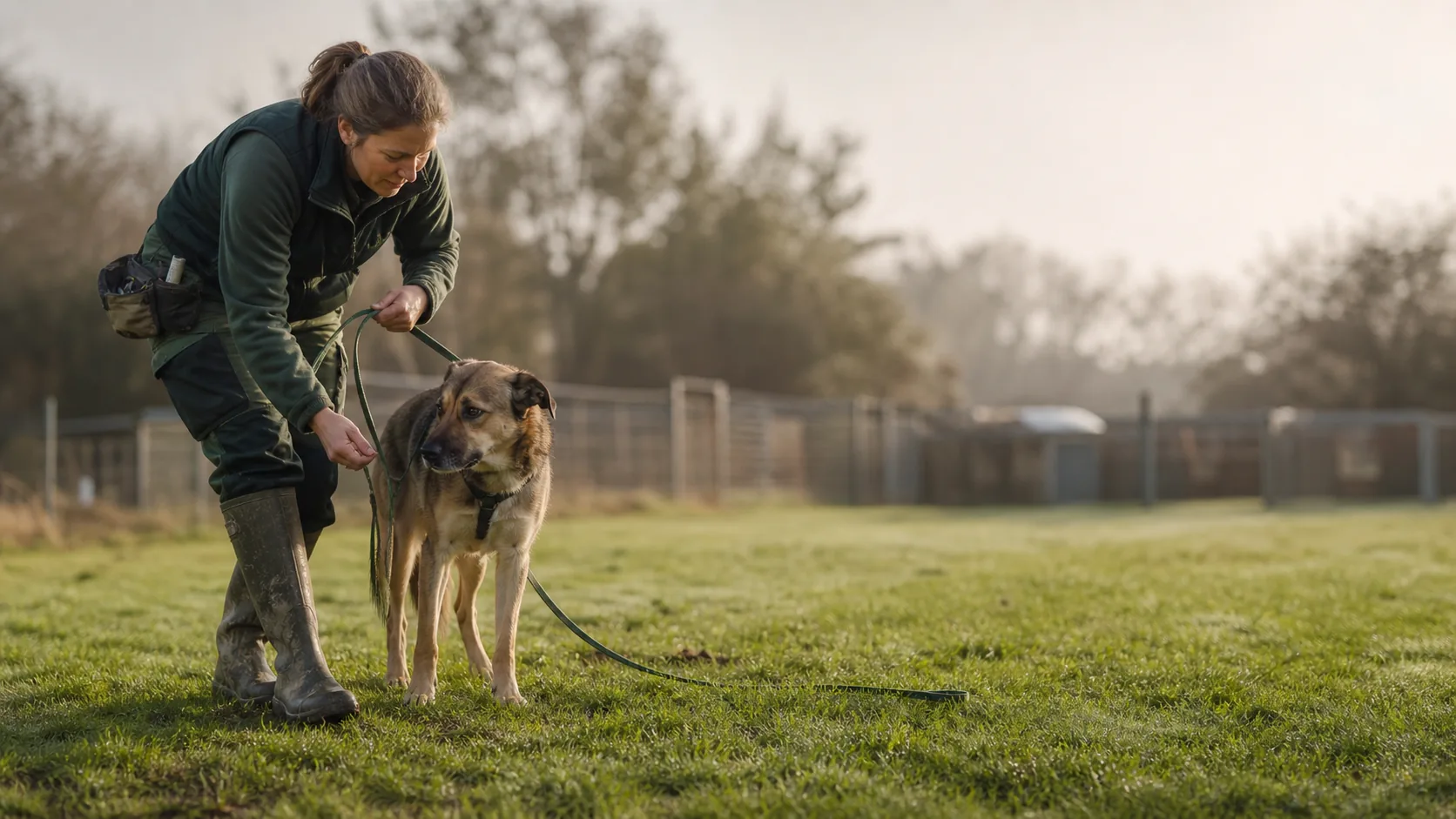
Rescue, rehabilitation & rehoming
Practical support.
Lasting outcomes.
Successful rehabilitation requires more than addressing individual behaviours. It involves understanding the dog, identifying the factors influencing its behaviour and developing a realistic plan for its future.
Canine UK provides specialist behavioural support to rescue organisations, rehoming centres and those responsible for dogs presenting complex behavioural challenges.
Our approach combines detailed behavioural assessment, practical rehabilitation and ongoing support, with consideration given to the dog’s welfare, capabilities, environment and suitability for rehoming.
We recognise that successful rehabilitation does not end when a dog leaves our care. Equipping future owners and handlers with the knowledge and skills to maintain progress is equally important.
Our areas of support
- Behavioural Assessment
- Understanding behavioural concerns, potential risks and individual needs.
- Rehabilitation Planning
- Developing practical, individualised programmes with realistic objectives.
- Behavioural Rehabilitation
- Addressing behavioural challenges through structured, practical intervention.
- Rehoming Suitability
- Assessing individual needs and identifying appropriate future environments.
- Owner & Handler Education
- Providing the knowledge and practical skills needed to maintain progress.
- Post-Rehoming Support
- Supporting continued adjustment and long-term behavioural stability.
We work collaboratively with rescue organisations, veterinary professionals, local authorities and rehoming partners to support responsible decisions and sustainable outcomes.
The whole-dog view
Behaviour does not exist in isolation.
A welfare decision should consider the dog in context. What appears to be a training problem may be influenced by health, stress, environment, unmet needs, previous learning, owner capability or a combination of factors.
The division promotes decisions that are proportionate, evidence-informed and realistic for both dog and owner.
- Health
- Behaviour
- Genetics
- Environment
- Learning history
- Lifestyle
- Handling
- Fulfilment
- Risk
- Owner capability
Our working model
From concern to accountable action.
A consistent framework helps the division approach individual cases, education projects and professional collaboration with clarity.
Understand
Gather the behavioural, health, environmental and practical information needed to understand the situation properly.
Prioritise
Identify immediate welfare concerns, safety needs and the decisions that require the clearest professional attention.
Coordinate
Bring the right people and professional perspectives together where the situation extends beyond one discipline.
Act
Develop a proportionate plan for education, management, behaviour change, rehabilitation or onward professional support.
Review
Measure progress, reconsider risk and welfare, and adapt the strategy as the dog and circumstances change.
Built through collaboration
One division. Multiple professional perspectives.
Good welfare work recognises professional boundaries and knows when another perspective is needed. The division connects expertise rather than pretending one discipline can answer everything.
- Canine behaviour and rehabilitation professionals
- Canine first aid and welfare education
- Veterinary collaboration and appropriate referral
- Rescue, rehoming and placement professionals
- Local authority and community engagement
- Owner education and responsible-dog guidance
- Academy discussions, guest specialists and professional learning
What the division is
A professional welfare function.
- A route for welfare-led assessment, education and collaboration
- A practical canine welfare presence for dog-friendly public events
- A specialist identity for Canine UK welfare activity
- A bridge between behaviour, ownership and wider professional care
- A platform for responsible discussion and higher standards
Important boundaries
Clear about what it is not.
- Not a replacement for veterinary diagnosis or treatment
- Not a veterinary emergency service or statutory enforcement service
- Not automatically a rescue centre or rehoming organisation
- Not a promise that every dog or situation can be taken on
Frequently asked questions
How the division works.
Does this replace Canine UK training and rehabilitation?
No. Training, behavioural auditing and rehabilitation remain core Canine UK services. The division creates a distinct home for wider welfare, education and collaborative work that does not sit neatly within a conventional training pathway.
Can owners contact the division directly?
Yes. The team will help identify the right route. Welfare education and event enquiries can begin directly, while individual behavioural or higher-risk cases may still begin through the established Canine UK Behavioural Audit pathway.
Does the division work with rescues and local authorities?
Yes, where Canine UK expertise can add value and suitable capacity, agreements and professional boundaries are in place. Every request is considered individually.
What kinds of events can the welfare team support?
Responsibly organised events where dogs are welcome, including festivals, country shows, fayres, community events, markets, breed meet-ups, sporting events and club days. The level of cover is planned around the venue, expected footfall, weather, dog numbers and available veterinary provision.
Does the Dog Welfare HQ replace an event vet?
No. The team provides dog-specific welfare observation, canine first aid within their competence, practical owner support and clear escalation. It does not replace veterinary diagnosis, treatment or an event veterinary provider where one is required.
Can visitors approach the welfare team directly?
Yes. A visible, approachable team and clearly marked Dog Welfare HQ give visitors somewhere to ask for help early, without judgement, before a concern becomes more serious.
Is an aggressive dog brought into school?
No. Children are never exposed to an aggressive or high-risk dog as part of the course. Teaching uses age-appropriate explanation and controlled educational materials. If a suitable dog is ever included in another school activity, that would only happen following separate agreement, assessment and risk planning.
Can the school course be adapted for different ages?
Yes. The language, examples, activities and delivery format can be shaped around the age range, group size, learning needs and setting. Staff, parent and carer education can also be discussed alongside pupil sessions.
Dog welfare in practice
Tell us what you need. The Canine UK team will review your enquiry and help identify the most appropriate route forward.
National enquiries welcome.