The key point
Training must work with the people who live with the dog. Owner understanding and practical skills are part of the work.
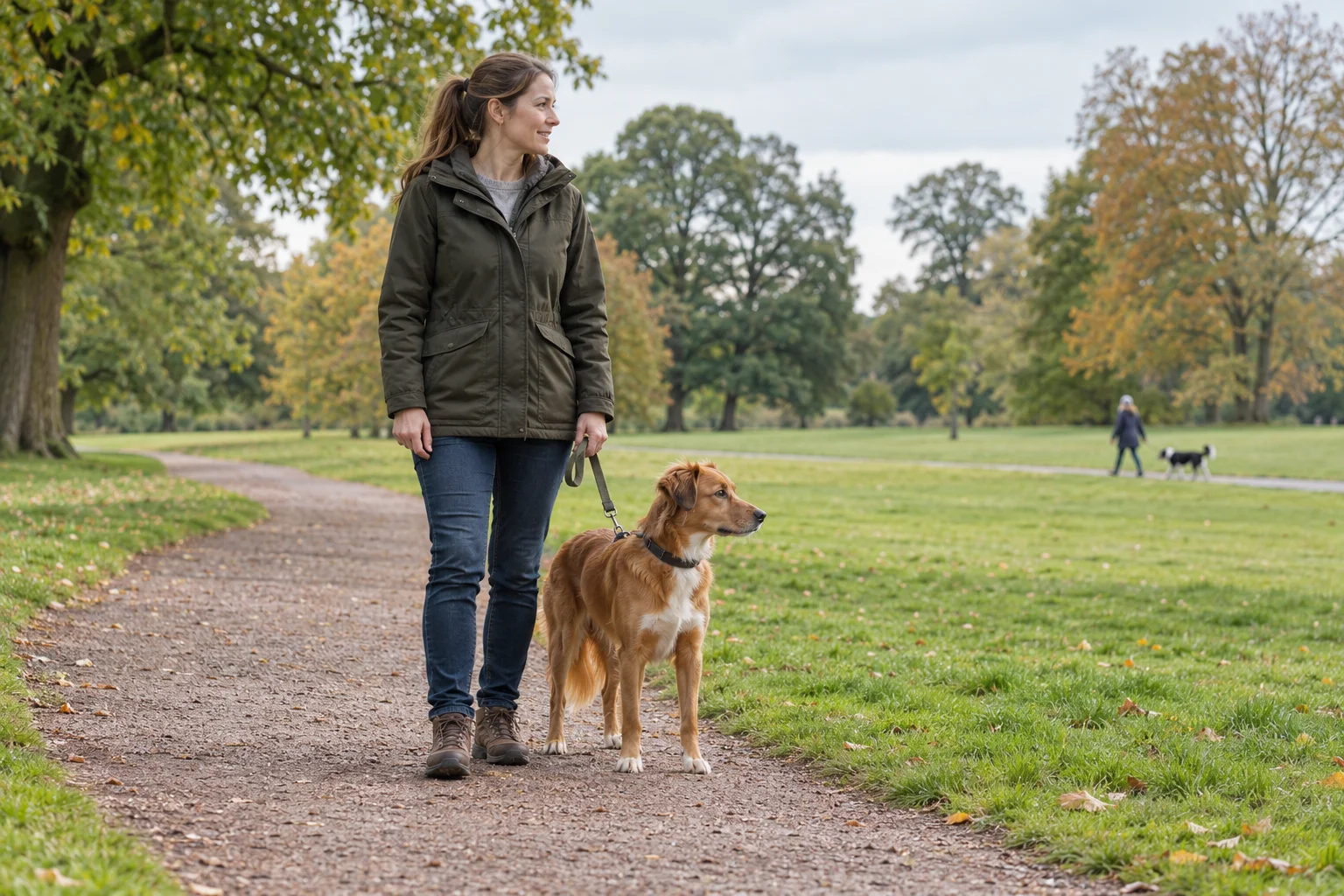
Watching your dog respond well to a trainer can be encouraging. Finding that the same behaviour disappears at home can leave you wondering what you are doing wrong.
That difference needs investigating. It does not mean that you have failed or that your dog is being difficult. It means we need to examine how the work carries into everyday life.
Consider what has changed
Canine UK’s approach looks at communication, timing, consistency and handling, alongside the dog’s routines and the setting in which the work takes place. Rather than assuming your dog is being stubborn, compare where the skill works, where it becomes difficult and what help is being used.
Is everyone using the agreed cue? Is the same response being rewarded? Has the level of distraction or the amount being asked changed? These are useful questions for a review, not a diagnosis of why your dog is struggling.
Audit before assumptions. We consider the individual dog, health, learning history and what the household can realistically manage. Our approach is balanced and individualised, using reward, motivation, guidance and accountability as appropriate to the dog and objectives.
The owner needs teaching too
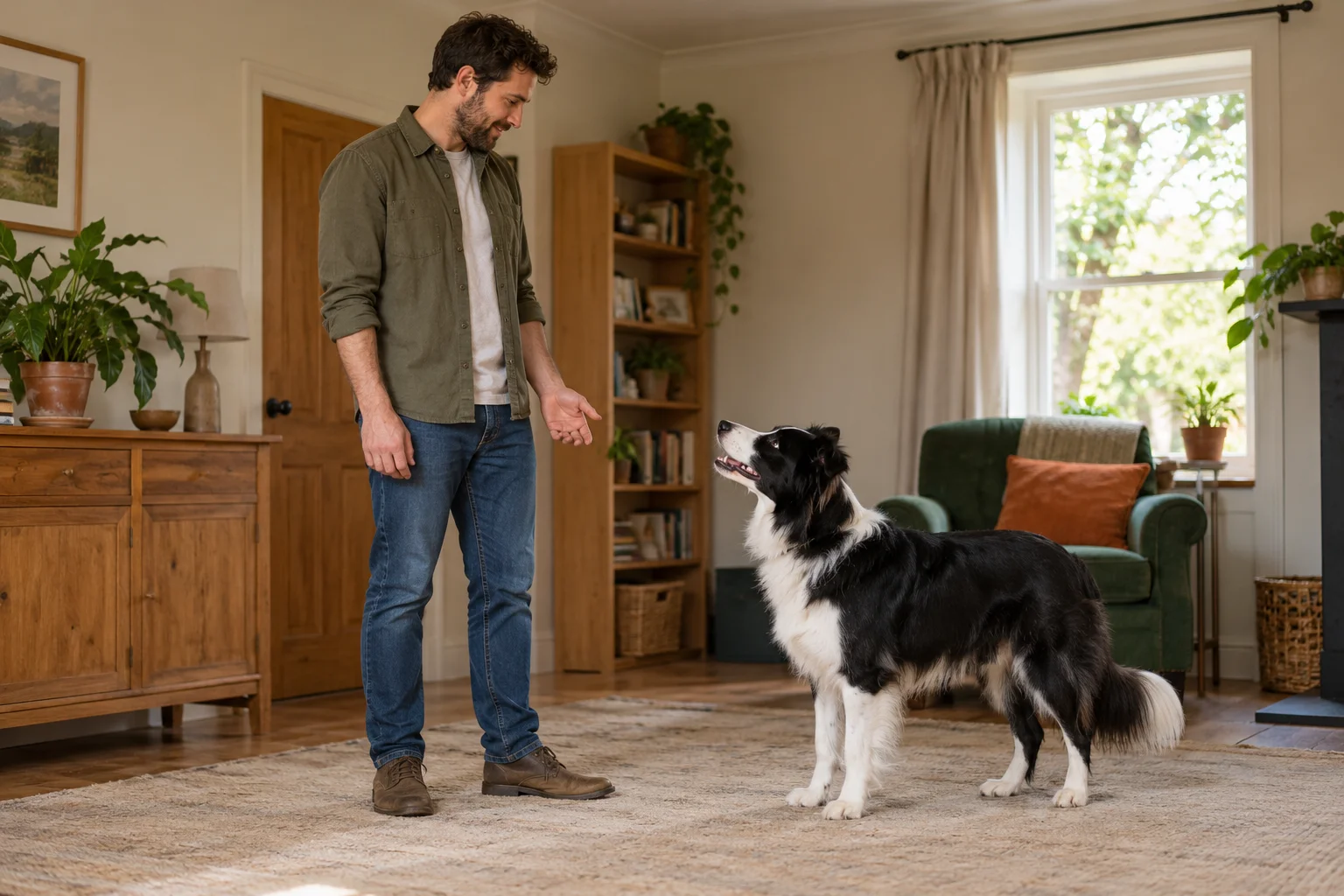
A demonstration shows what happened with that trainer in that setting. The next step is helping you understand and practise the skill yourself.
A useful handover covers the handling, routines, communication and management needed to continue the work. Ask what the dog is learning, which cue to use, what a successful response looks like and what to do when the task becomes too difficult. Ask your trainer to watch you practise and check your understanding.
A short written plan can help everyone involved work from the same instructions. If an instruction is unclear or difficult to apply, say so. That gives the trainer something specific to address.
Make the first step manageable
Choose one useful behaviour and agree an achievable starting situation with your trainer. Canine UK’s resources use a practical sequence: notice what has changed, check the whole dog, make the task easier and review reliability.
That may mean reducing one demand, such as distraction, distance or duration, while giving clear support and reinforcing the achievable response. Record the help needed rather than treating an assisted response as fully reliable.
For an ordinary training skill, the first step might be a familiar cue with you in an agreed setting. Your trainer can help decide when and how to change that setting. This is an illustration, not an individual plan for aggression, guarding or another safety concern.
The practice must also fit your day. If it depends on time, space or handling that you cannot reasonably sustain, tell your trainer so it can be adjusted.
Notice what has improved
Record the cue, setting, help needed and response. Compare similar situations. Responding more readily at home is useful information, even when busier situations still need work.
Keep management separate from training progress. Preventing access to visitors may reduce opportunities for jumping, but it does not establish that your dog has learned how to behave when visitors enter.
Do not test reliability beside roads, livestock or uncontrolled dogs. Keep agreed safety arrangements in place. Increasing fear, aggression or distress means pausing the challenge and obtaining professional help. Training does not replace veterinary care.
Questions to take to your trainer
- What is the one behaviour we are working on first?
- Which cue and starting situation should I use?
- Can you watch me practise and check my understanding?
- What should I do if my dog struggles?
- What will show that we are ready for the next step?
Training should help the people who live with the dog. If a skill works during sessions but falls apart in daily life, that gap deserves attention.
Explore a Canine UK Behavioural Audit to help identify what needs addressing and the next practical step.