Real photographs. Everyday boundaries. Lessons from documented bite incidents. Practical resources to help adults manage situations before they become dangerous.
RESOURCE 01 · LOOK AT THE SITUATION
What adults need to manage.
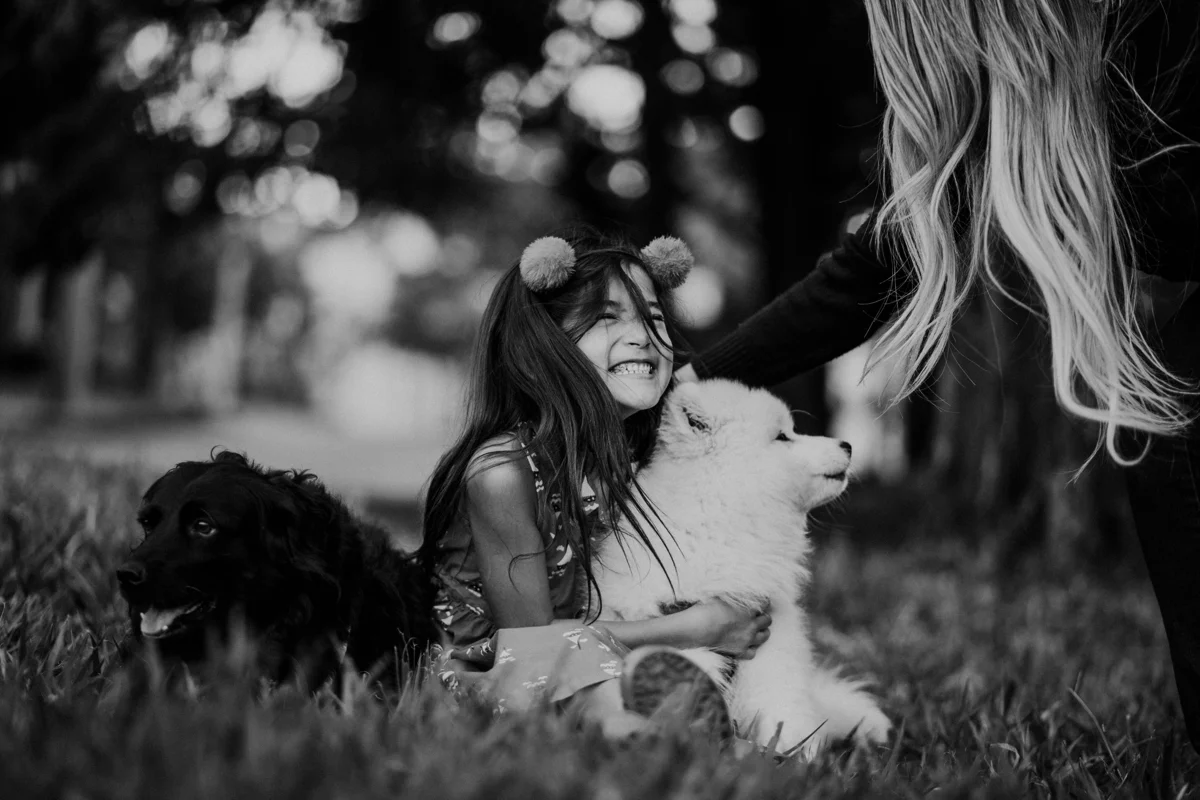
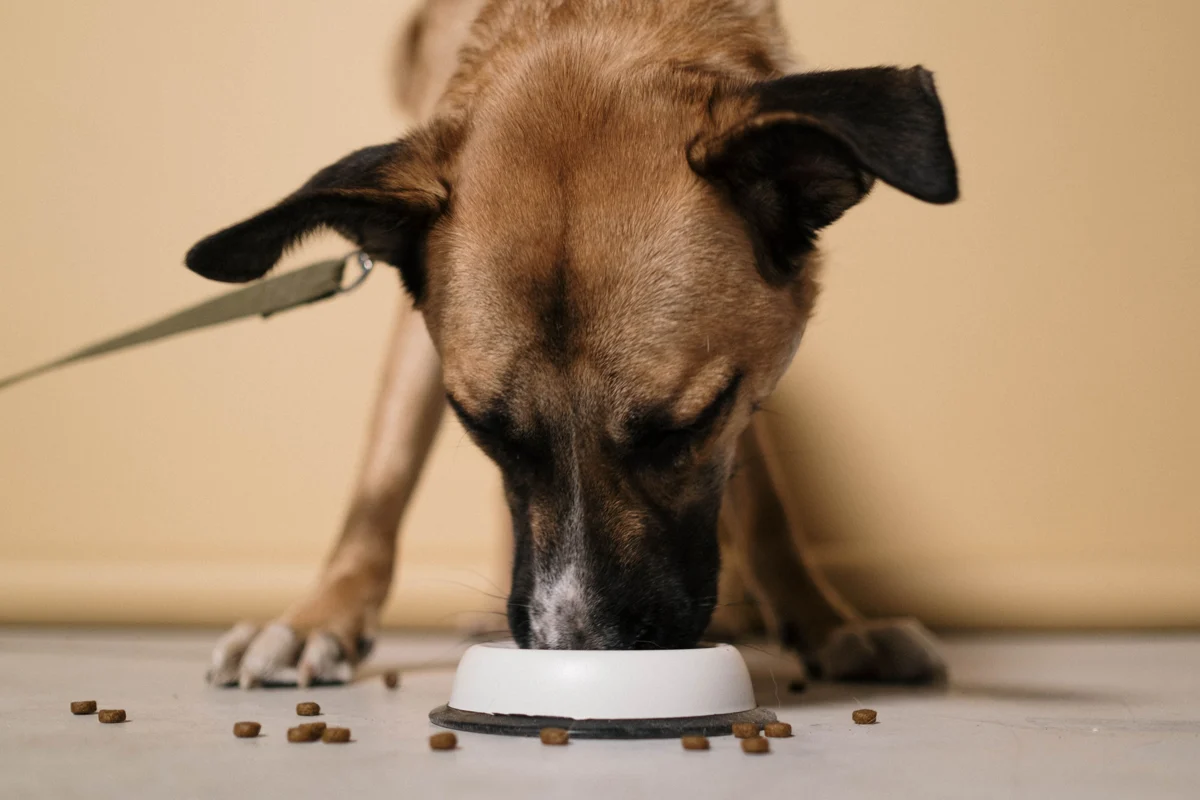
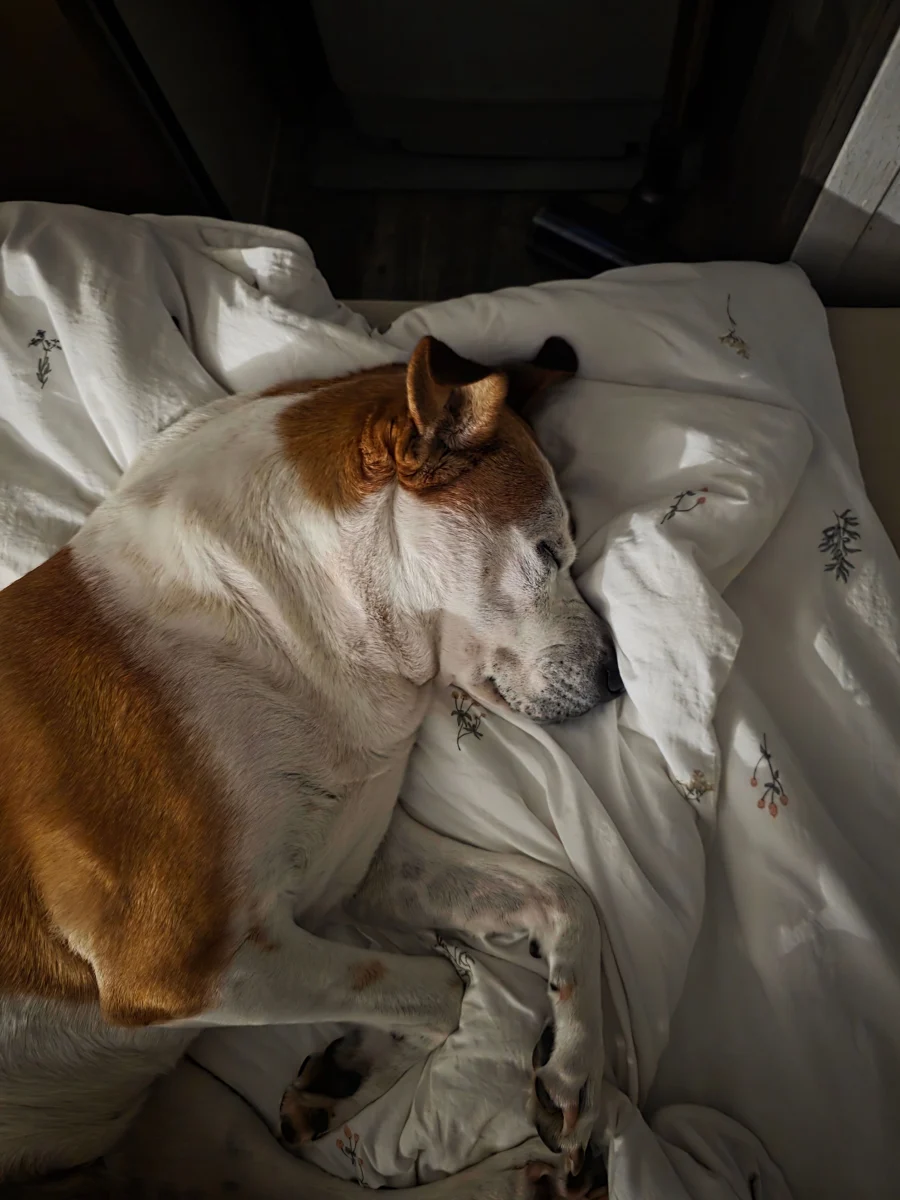
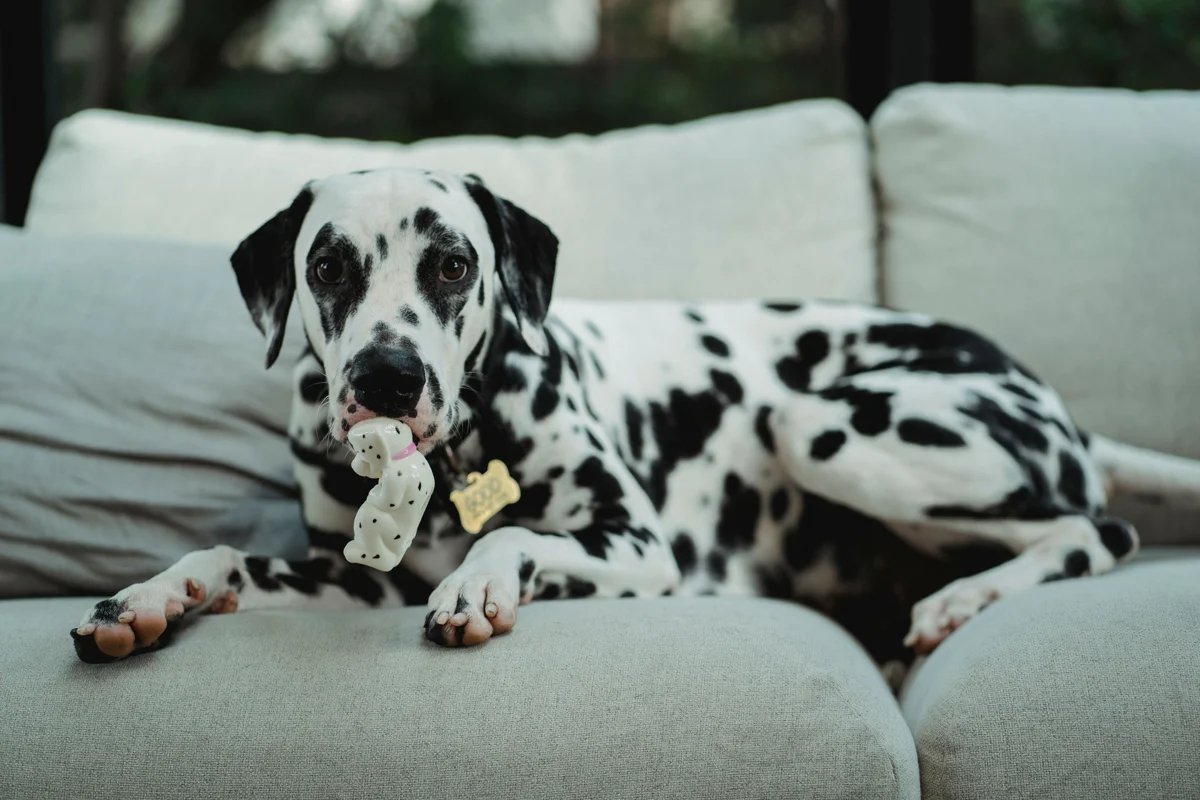
Use these photographs to talk through the rules. Never recreate an unsafe interaction with a child and a dog.
These are genuine stock photographs illustrating everyday situations, not photographs of the bite cases below. They do not establish the pictured dogs’ feelings or bite histories. Our guidance applies to the situation, not to the people pictured.
Do not let children: put hands in bowls, take food or chews, stroke an eating dog or pick up food beside it.
Adult action: separate the dog from children before feeding. Keep them apart until the dog has finished and an adult can safely clear away. Do not test whether the dog will tolerate a hand near its food.
Say: “The dog is eating. Leave it and come with me.”
Do not let children: wake, poke, climb over or cuddle a sleeping dog, enter its bed or crate, or follow it into a retreat.
Adult action: give the dog a protected resting area that children cannot enter or reach into. Arrange separation before an adult’s attention moves elsewhere.
Say: “That is the dog’s quiet space. We leave it alone.”
Do not let children: chase a dog for a toy, pull an item from its mouth, corner it or try to make it give something up.
Adult action: move the child away first. Do not confront the dog over the item. Use the management plan agreed with your trainer and seek help if guarding occurs.
Say: “Leave it and tell me. I will help.”
Also prevent: ear or tail pulling, riding, teasing, chasing, reaching through barriers and children trying to separate fighting dogs. A dog tolerating something before does not make it safe next time.
RESOURCE 02 · NOTICE & ACT
End the interaction early.
A photo cannot diagnose a dog’s emotional state. Watch the whole dog, the context and changes from its usual behaviour.
Notice changes.
Turning or moving away, hiding or trying to escape.
A suddenly closed mouth, tense face, stillness or stiffness.
Repeated lip licking or yawning in context.
Fixed attention, growling, lip lifting or showing teeth.
No single signal proves how a dog feels. A wagging tail does not prove safety, and a bite can happen without a warning an adult notices.
Stop adding pressure.End touching, crowding or approaching. Do not ask the child to continue to “show the dog it is fine”.
Move the child to safety.Guide them away without asking them to handle the dog. Use your prepared separation arrangement. Avoid the dog’s mouth, collar and possessions during escalation.
Review and make a safer plan.Do not punish the warning or bring the child back to test the dog. A bite, threatening behaviour or near miss around a child needs secure separation and an individual Behavioural Audit.
Use this with every adult who cares for the children or the dog. Teaching a child the rules does not transfer responsibility to them.
Who is watching?
Name the adult actively watching and able to end contact. A phone, cooking or a different task can take their attention away. Separate first when supervision cannot continue.
Where is the separation?
Use a closed, secure door or suitable barrier the dog cannot jump or push through and the child cannot open or reach through. Keep the dog’s water, comfort and rest needs met.
What changes today?
Plan for visiting children, snacks, playdates, excited running, doorways and sleep. Adapt the arrangement for each child’s understanding, mobility and sensory needs.
What happens after a concern?
Move children to safety, keep secure separation and get the right help. Once safe, record the facts. Do not recreate an incident for a video or photograph.
Agree together: supervising adult, protected dog area, child area, who handles food and equipment, and who to contact after a concern. Use the family plan in the guide ↗
RESOURCE 04 · LEARNING FROM REAL INCIDENTS
Understand what happened. Take the learning home.
Published medical cases, not Canine UK client stories. Case facts and our practical learning points are kept separate. These reports cannot tell us everything that happened.
CASE 01 · A FAMILIAR DOG
A sleeping child.
Published facts: a two year old girl was bitten by the family dog while asleep on a sofa. She needed staged surgery for a severe scalp injury. At six months, skin coverage was stable; permanent hair loss and further reconstruction remained concerns.
What is not established: the dog’s motive, earlier warning signs and the supervision arrangements immediately beforehand.
Canine UK learning point
Plan protected sleeping arrangements for children. Familiarity does not remove the need to manage access. A child does not have to be touching a dog for an incident to happen.
Published source and content warning
Grussu et al., Medicina, 2024. The external clinical paper contains graphic child injury photographs.
Published facts: a four year old girl in Greece was bitten by a neighbour’s dog while playing unsupervised outside her yard. She needed surgery. Clinicians later diagnosed post traumatic stress disorder and selective mutism. Following support for her and her family, anxiety and communication improved by the six month review.
What is not established: the report does not say she approached, teased, touched or disturbed the dog.
Canine UK learning point
Manage access to nearby dogs. After a bite, take changes in sleep, fear, communication or behaviour seriously and discuss them with a health professional. Recovery can include emotional support.
Published source
Anyfantakis et al., Journal of Medical Case Reports, 2009.
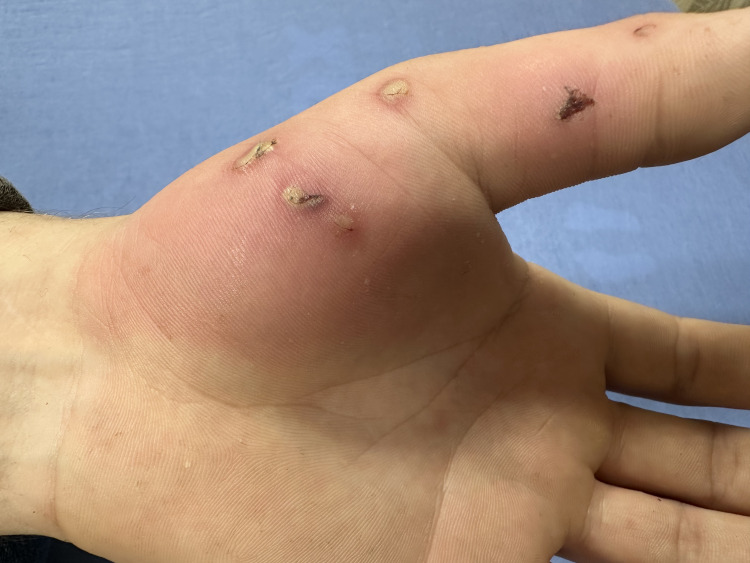
Published facts: a 27 year old man in the United States approached a stray dog hoping to help. The dog bit his hand. He sought care two days later after redness and swelling developed. Clinicians diagnosed cellulitis, a skin infection.
Canine UK learning point
Do not judge a bite only by its size or the amount of blood. Keep children away from unfamiliar dogs and get appropriate medical advice after a bite.
A real adult hand injury from the published case above. Read the warning, then choose whether to reveal the photograph. The medical guidance below is available with the image covered.
Content warning: real dog bite wounds and skin infection.
For adult educational viewing. It shows an adult hand with punctures, scabs and redness. No child injury photograph is displayed here.
The source describes puncture wounds and diagnosed cellulitis. A photograph cannot establish wound depth, tendon or nerve damage, or whether another person has an infection. Skin changes can appear differently across skin tones.
Do not wait until a bite looks like this. Use the care guidance below. A trainer cannot assess a human bite wound.
After a bite: get the right help.
Serious bleeding or injury first: a large or deep wound, or bleeding that will not stop, needs A&E. Call 999 for life threatening injury or immediate danger. Apply firm pressure with a clean cloth to heavy bleeding. Do not delay emergency care while trying to clean the wound.
Once safe, clean less serious wounds with warm water and soap, then cover with a clean dressing.
Seek urgent advice for bites to the hand, foot, face or head, or signs such as heat, swelling, discharge or feeling unwell. A child with broken skin after a bite needs prompt professional medical assessment.
UK contact routes: call 111 in England, Scotland or Wales for urgent advice. In Northern Ireland, use your local urgent care or GP out of hours service. Emergencies: 999 throughout the UK.
This is an emergency safety response, not a dog training exercise.
A CONCERN NEEDS AN INDIVIDUAL PLAN
Start with a Behavioural Audit.
Where there has been threatening behaviour, a bite or a near miss involving a child, maintain secure separation while arranging an individual safety plan. Never use a child to test the dog.
All photographs on this adult resource page are real photographs. The four everyday scenes are licensed stock, used for general education. They are not reconstructions of the cases. No new unsafe interaction was staged for this resource.
Stock photographs displayed under the Pexels licence, resized and framed for the page. No endorsement is implied. The clinical photograph has its own author and licence credit beside it. Prevention guidance builds on the Canine UK family guide; published case facts and medical guidance are separately attributed.